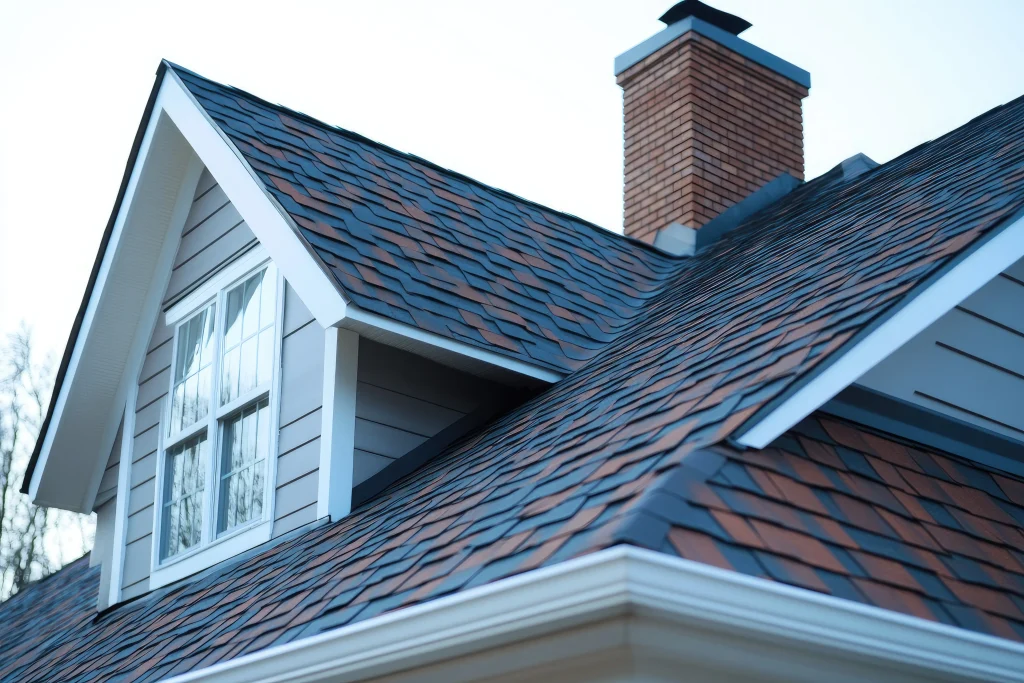
new roof with brick chimney and dormer window enhancing curb appeal photo 1
Matching the Right Finish to Every Surface
Selecting the appropriate paint type for your project determines whether your finish lasts two years or twenty. The paint aisle can overwhelm you with countless options, but understanding the fundamental differences between latex and oil-based formulations, along with sheen levels from flat to high-gloss, empowers you to make informed decisions that match your specific needs.
Latex paints dominate interior painting applications because they dry quickly, emit fewer fumes, and clean up with soap and water. Water-based formulations work exceptionally well for walls and ceilings in living spaces, bedrooms, and hallways. However, Georgia’s humid climate presents unique challenges for paint adhesion and drying times. During summer months in Gwinnett County, when humidity regularly exceeds seventy percent, proper ventilation becomes critical for interior painting projects. Professional painters adjust application schedules to account for extended drying periods, ensuring each coat cures properly before applying subsequent layers.
Oil-based paints deliver superior durability for high-traffic surfaces such as trim, doors, and cabinetry. Cabinet painting projects particularly benefit from oil-based products because they create harder, more resilient finishes that withstand daily wear from opening and closing. The trade-off involves longer drying times and solvent-based cleanup, but the results justify the additional effort for surfaces that demand maximum durability.
Sheen selection affects both aesthetics and functionality. Flat finishes hide wall imperfections beautifully but resist cleaning poorly, making them suitable for low-traffic areas like formal dining rooms or adult bedrooms. Eggshell and satin finishes strike a balance between appearance and washability, performing well in family rooms and hallways. Semi-gloss and high-gloss paints withstand moisture and frequent cleaning, which explains why they appear most often in kitchens, bathrooms, and on trim work. When planning an interior painting service, matching sheen to room function prevents disappointment and ensures longevity.
Why Proper Prep Work Outweighs Premium Paint
The difference between a paint job that fails within months and one that endures for years lies not in the paint can but in the preparation process. Surface preparation accounts for approximately seventy percent of a successful painting outcome, yet many property owners underestimate its importance. Skipping or rushing prep work guarantees premature peeling, cracking, and uneven coverage regardless of paint quality.
Proper preparation begins with thorough cleaning to remove dirt, grease, and mildew that prevent paint adhesion. Exterior surfaces in the Norcross area accumulate pollen, mold spores, and atmospheric grime that must be pressure washed before painting begins. For exterior painting projects, this step proves particularly critical because Georgia’s humidity creates ideal conditions for mildew growth on siding and trim. A professional painter inspects surfaces for biological growth and treats affected areas with appropriate solutions before proceeding.
Repairing damaged substrates comes next. Drywall repair addresses holes, cracks, and water damage that compromise wall integrity. Even minor imperfections telegraph through paint, especially under flat or eggshell finishes. Skilled painters fill nail holes, patch larger damage with joint compound, and sand repairs flush with surrounding surfaces. For wood surfaces like decks, doors, and trim, preparation includes scraping loose paint, sanding rough areas, and filling wood defects with appropriate fillers. Deck painting projects require particular attention because weathered wood absorbs paint unevenly, creating blotchy appearances without proper surface preparation.
Priming represents the final critical preparation step. Quality primers seal porous surfaces, block stains, and create uniform foundations for topcoats. When painting over dark colors, stained wood, or repaired drywall, primer prevents the underlying surface from affecting your final color. Specific situations demand specialized primers: shellac-based products seal water stains and smoke damage, while bonding primers help paint adhere to glossy surfaces like previously painted cabinets or metal fixtures. Professional exterior painting service projects factor primer selection into the overall system design, matching products to substrate conditions and environmental exposure.
Brush, Roller, and Spray Techniques Explained
Application method directly impacts finish quality, coverage efficiency, and project timeline. Professional painters select tools based on surface type, paint formulation, and desired appearance, often combining multiple methods within a single project to optimize results across different elements.
Brushwork remains essential for cutting in edges, painting trim, and coating detailed surfaces where precision matters most. Quality brushes hold more paint, release it evenly, and maintain their shape through extended use. Natural bristle brushes work best with oil-based paints, while synthetic bristles suit water-based products. When executing door painting or window trim, skilled painters use angled sash brushes to create clean lines without tape, working paint into corners and details that rollers cannot reach effectively. The technique involves loading the brush properly, maintaining consistent pressure, and feathering edges to prevent visible brush marks.
Roller application covers large flat surfaces quickly while creating uniform texture. Roller nap length varies by surface texture, from smooth three-sixteenths-inch naps for drywall to three-quarter-inch naps for rough stucco or concrete. Interior painting projects typically employ nine-inch rollers for walls and smaller four-inch versions for tight spaces. Proper roller technique requires loading the cover evenly, applying paint in overlapping W-patterns, and maintaining wet edges to prevent lap marks. For specialty design painting that incorporates texture, specific roller types create effects ranging from subtle orange peel to pronounced knockdown patterns.
Spray application delivers the smoothest finish and greatest efficiency for large areas or complex surfaces. Cabinet painting projects benefit tremendously from spray techniques because the fine mist coats intricate door profiles and hardware cutouts without brush marks or roller stipple. Airless sprayers force paint through small tips at high pressure, atomizing material into tiny droplets that lay down smoothly. However, spray painting demands significant masking and protection because overspray affects everything within range. Weather conditions impact outdoor spray applications severely; wind above five miles per hour makes controlled spraying nearly impossible. Professional painters in Gwinnett County monitor weather forecasts carefully when scheduling exterior spray projects, avoiding windy days and extreme temperatures that compromise results.
Creating Cohesive Palettes That Enhance Your Space
Color selection ranks among the most challenging aspects of any painting project because the wrong choice affects your space daily for years. Paint appears dramatically different on large surfaces under natural light compared to small swatches under store fluorescent fixtures. Understanding how colors interact with lighting, architectural features, and existing furnishings helps you avoid costly mistakes and creates harmonious environments.
Natural light varies throughout the day and across seasons, shifting color appearance substantially. North-facing rooms receive cooler, consistent light that intensifies cool paint tones and can make warm colors appear dull. South-facing spaces flood with warm, bright light that enhances warm hues but may wash out pale colors. East and west orientations experience dramatic lighting changes as sun angles shift from morning to evening. Before committing to colors, test samples on actual walls and observe them at different times throughout the day. This practice reveals how your chosen hue performs under real conditions rather than idealized showroom scenarios.
Color psychology influences mood and perception in measurable ways. Cool blues and greens promote calmness and focus, making them appropriate for bedrooms and home offices. Warm reds, oranges, and yellows stimulate energy and conversation, suiting social spaces like kitchens and dining areas. Neutral grays, beiges, and whites create versatile backgrounds that adapt to changing decor. However, pure white often appears stark and institutional in residential settings; warm whites with subtle yellow or beige undertones create more inviting atmospheres.
Coordinating interior and exterior color schemes creates visual continuity that enhances curb appeal and interior flow. For homes in established neighborhoods, exterior color choices should complement surrounding architecture while expressing individual style. Siding painting projects provide opportunities to refresh tired appearances, but dramatic departures from neighborhood aesthetics may affect property values. Professional painting consultations help you navigate these considerations, balancing personal preferences with practical concerns. Inside, flowing consistent color palettes between connected spaces makes homes feel larger and more cohesive, while strategic accent walls create visual interest without overwhelming rooms.
When to Schedule Projects and Preserve Finishes
Scheduling painting projects around weather conditions and household activities maximizes success while minimizing disruption. Exterior work demands favorable weather windows with moderate temperatures, low humidity, and dry conditions. Paint manufacturers specify application temperature ranges, typically between fifty and ninety degrees Fahrenheit, because extreme temperatures affect drying, curing, and adhesion. In Georgia, spring and fall offer ideal conditions for exterior painting, with mild temperatures and lower humidity than summer months. Summer heat accelerates drying to the point where paint may skin over before leveling properly, creating visible brush or roller marks. Winter temperatures occasionally drop below recommended minimums, particularly during overnight hours when fresh paint remains vulnerable.
Interior projects offer more flexibility because climate control maintains stable conditions year-round. However, timing considerations remain important. Kitchen and bathroom remodeling projects that include painting require coordinating with other trades to ensure proper sequence. Drywall installation and repair must cure completely before painting begins. Humidity from tile grouting or concrete work can affect paint adhesion if scheduling overlaps improperly. Professional painters coordinate with other home improvement contractors to establish logical sequences that prevent delays and quality issues.
Proper maintenance extends paint life significantly, protecting your investment and delaying the need for repainting. Interior surfaces benefit from periodic cleaning with mild soap solutions that remove accumulated dirt without damaging finishes. Higher-sheen paints tolerate washing better than flat finishes, which may burnish or streak when scrubbed aggressively. Address minor damage promptly; small chips or scratches worsen when ignored, allowing moisture infiltration that causes further deterioration. Keep touch-up paint from your original project for spot repairs, ensuring color matches perfectly.
Exterior maintenance includes annual inspections for peeling, cracking, or mildew growth. Addressing small problems immediately prevents extensive damage that requires complete repainting. Power washing every two to three years removes surface contamination and refreshes appearance. Wood surfaces like decks and fences require more frequent attention than vinyl or fiber cement siding. Deck painting or staining schedules depend on exposure levels and product types; horizontal surfaces that receive direct sun and rain deteriorate faster than vertical or protected elements. Regular maintenance keeps painted surfaces looking fresh while identifying potential problems before they become expensive repairs, ultimately extending the time between complete repainting cycles and preserving your property’s appearance and value.